Unbreakable OpenClaw Automation: The Reliability Playbook
Background agents are inherently blind. Learn the architectural patterns needed to ensure yours never fail in silence again.

Top 10 OpenClaw Agent Errors (And How to Fix Them)
Running agents in production is hard. Here is the definitive list of the top 10 OpenClaw errors and how to solve them.
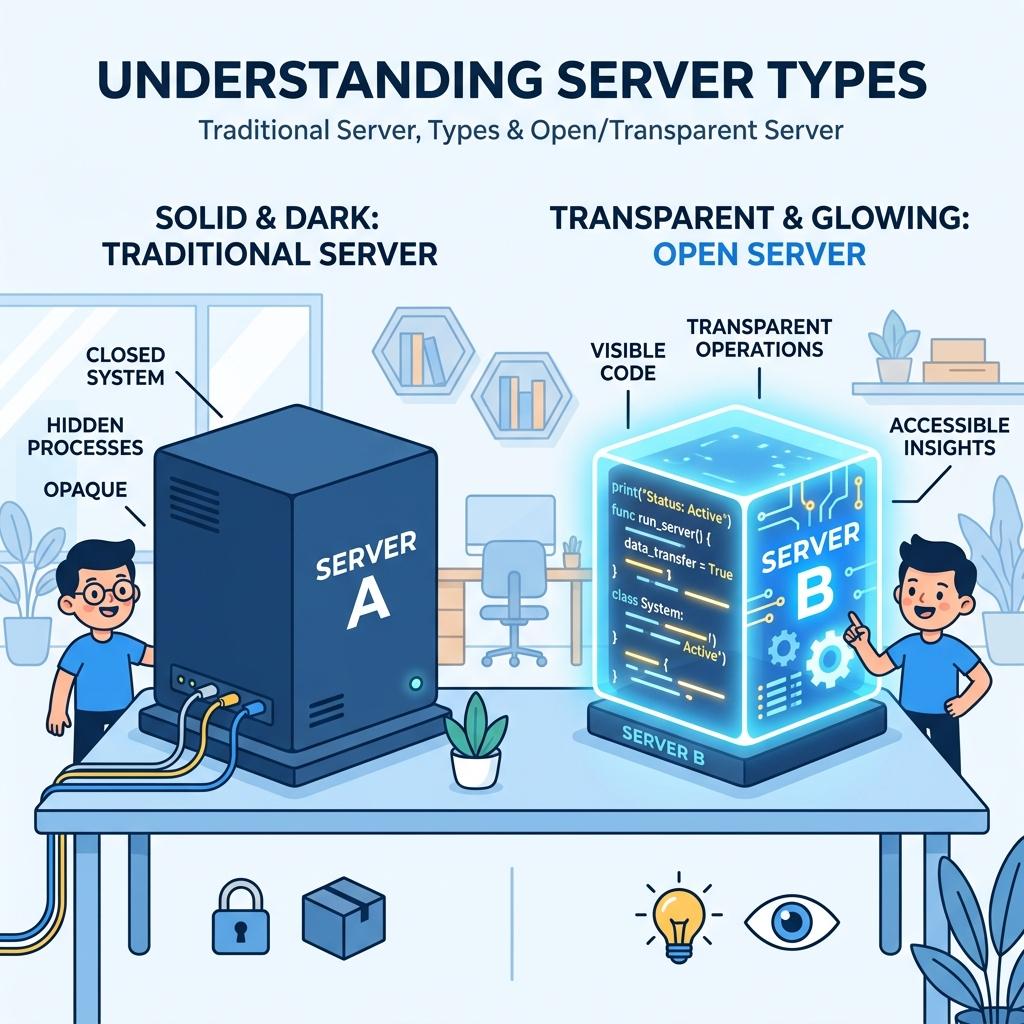
Blackbox vs. Whitebox Monitoring: Which One Does Your Team Need?
Whitebox monitoring tells you what's happening inside your server. Blackbox monitoring tells you what your users actually see. You need both.

Burn Rate Alerts: Proactive Incident Management with Watch.dog
Static alerts are noisy. Burn rate alerts are smart. Learn how to identify and stop rapid budget exhaustion in real-time.

Error Budgets for Uptime Teams: A Practical Reliability Guide
Don't fly blind. Learn to translate uptime targets into actionable budgets that tell your dev team exactly when to ship or stop.
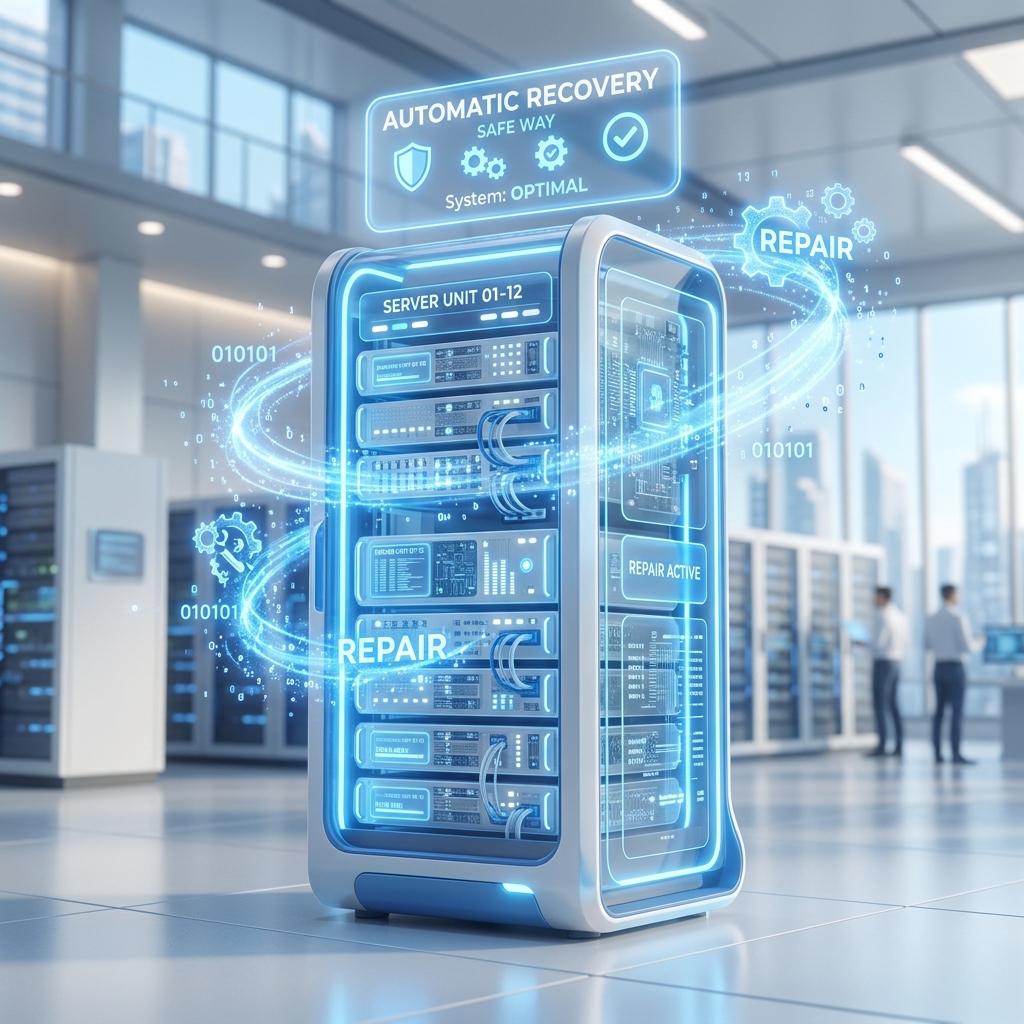
Self-Healing Infrastructure: Automating Recovery with Watch.dog
Don't wake up at 3 AM. Learn how to configure Watch.dog to detect failures and trigger automatic fixes before your users even notice.
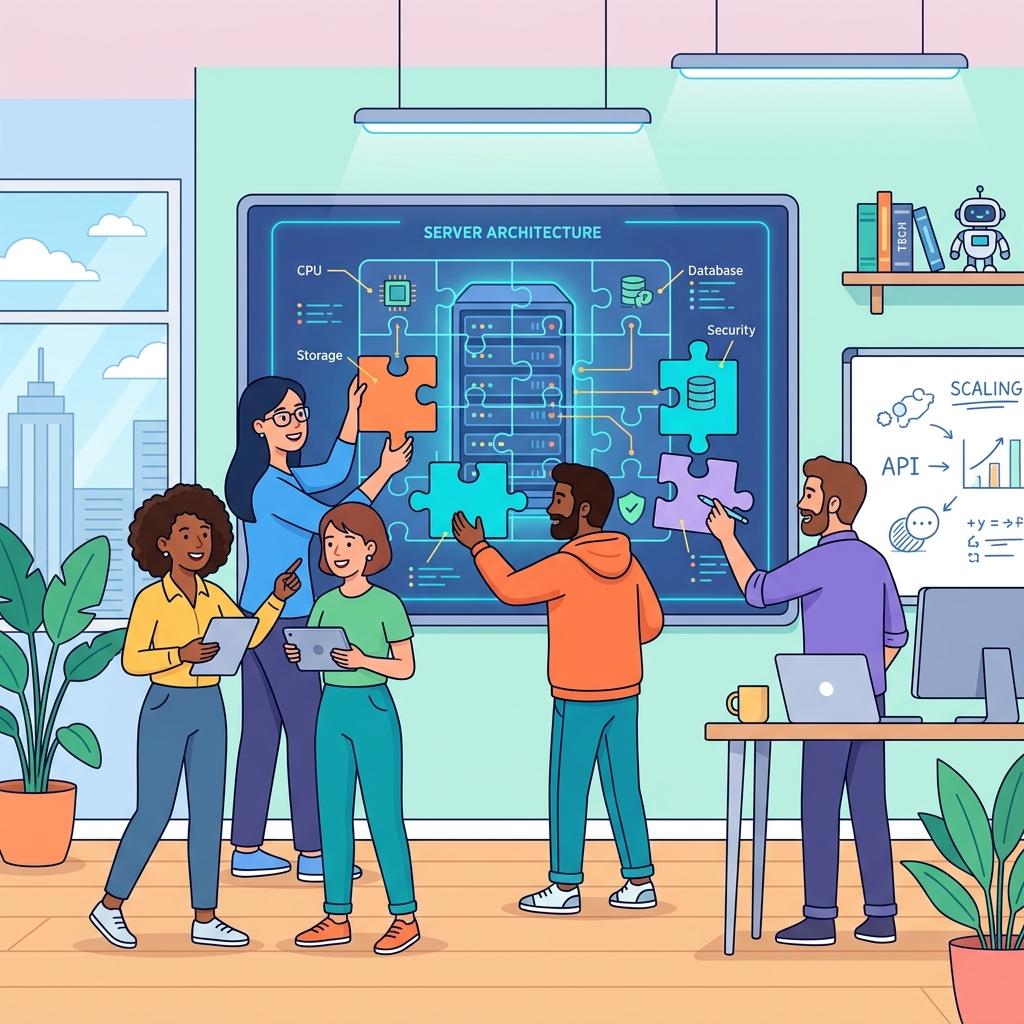
Chaos Engineering Game Days: Breaking Things on Purpose to Improve Uptime
Don't find out your alerts don't work during a 3 AM outage. Practice chaos in the daylight and build a team that doesn't panic.
Kubernetes Uptime: Building Guardrails for Orchestrated Reliability
Kubernetes is self-healing, but it can also hide failures behind its internal abstractions. Learn how to verify your cluster from the outside in.

TLS Certificate Monitoring: Preventing the $1M Silent Outage
An expired certificate will shut down your entire API regardless of how healthy your servers are. Stop the silence with proactive TLS monitoring.

SLA vs SLO: Understanding the Difference in System Reliability
Is your SLA just a legal promise, or is it backed by real engineering SLOs? Understanding the gap between them can save your business thousands.

Serverless Uptime: Strategic Monitoring for Cloud Native Apps
Serverless is ephemeral. Monitoring it requires a different mindset. Learn how to track the health of functions that exist for only milliseconds.
The Synthetic Monitoring Playbook: Defending UX from the Frontline
Don't wait for real users to hit bugs. Learn how to simulate high-value transactions and catch regressions before they impact your bottom line.

Mastering Uptime Monitoring: Foundations of System Reliability
Don't wait for your users to tell you your site is down. Follow the minimal path to professional reliability in one afternoon.
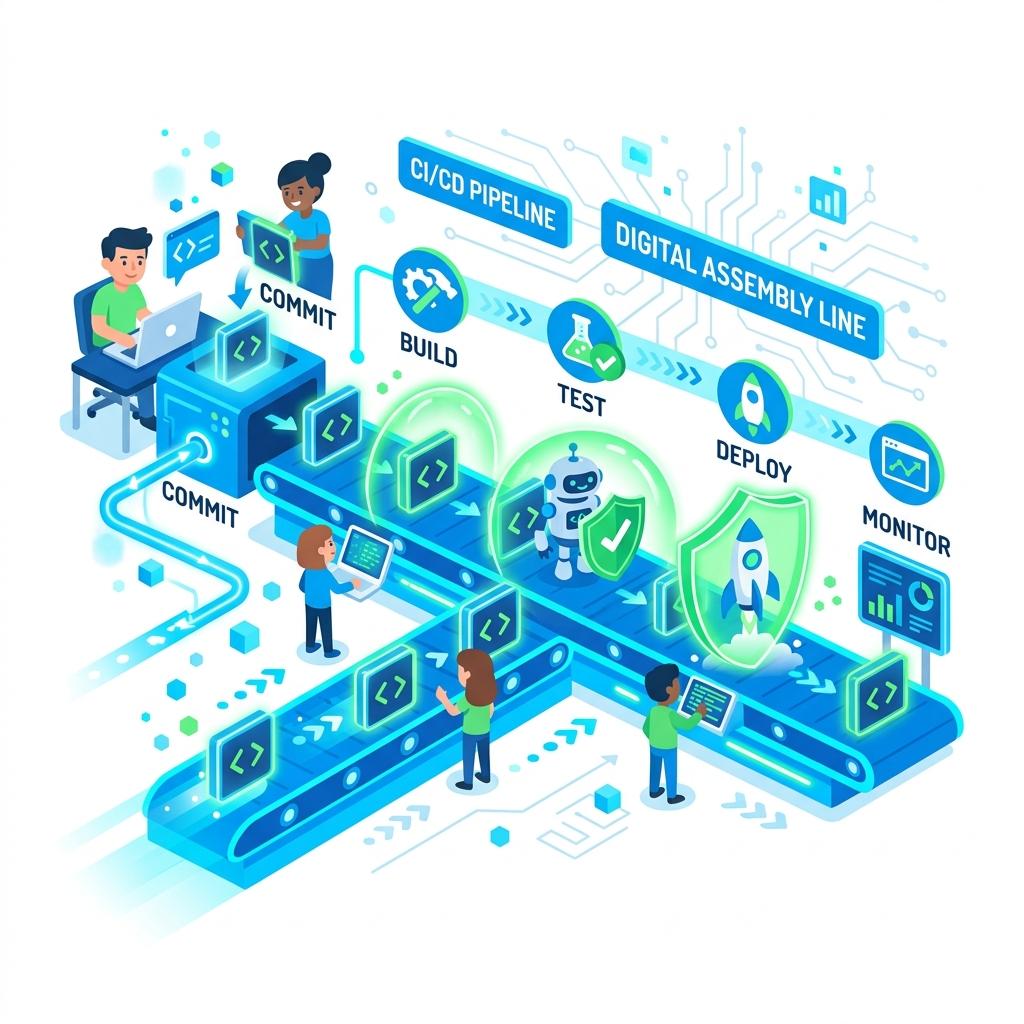
CI/CD Uptime Safeguards: Ensuring Staging Success Before Production Outages
A successful build doesn't mean a successful app. Learn how to bridge the gap between your pipeline and your actual availability.
Error Budget Policy: Balancing Innovation and Reliability
Risk is necessary for innovation, but it must be managed. Learn how to define the line where 'new features' stop and 'fixing bugs' starts.
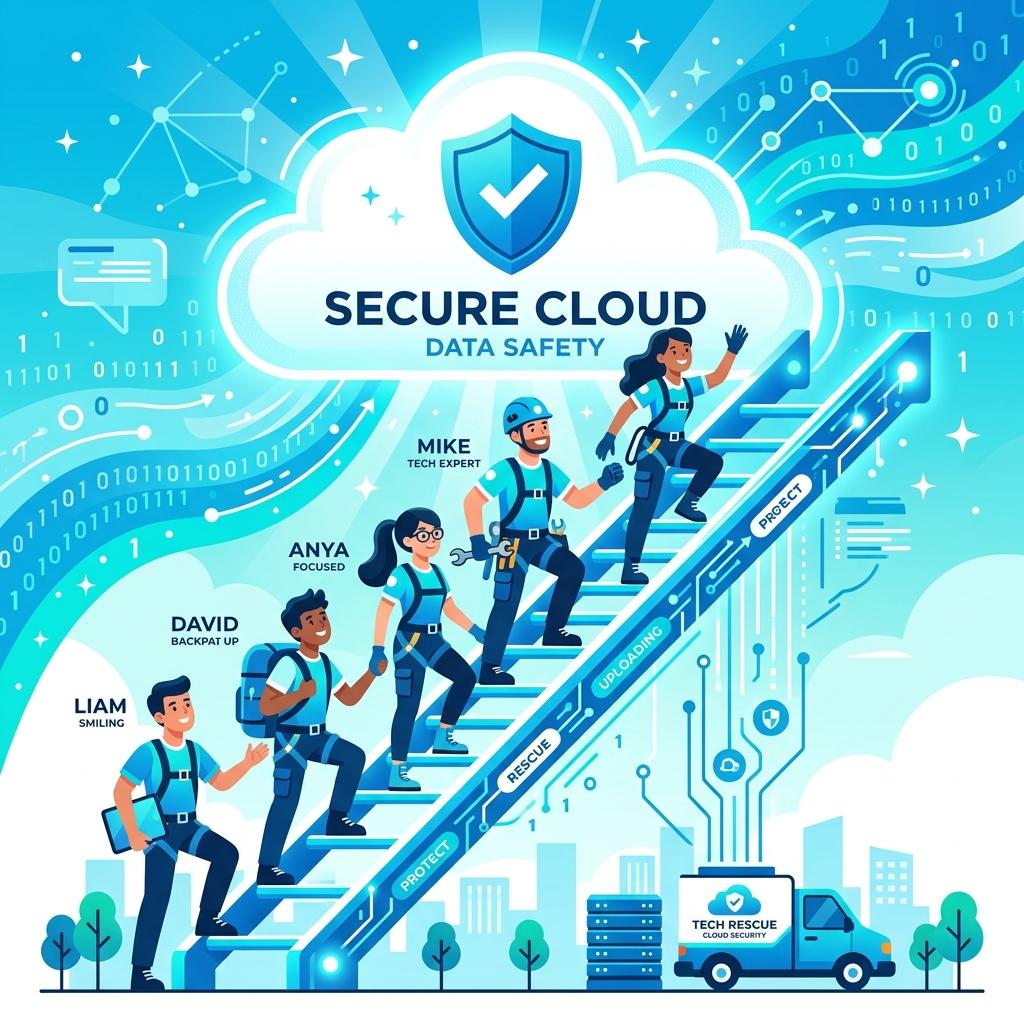
Disaster Recovery Ladders: A Structured Approach to Total System Failure
A backup is not a recovery plan. Learn how to climb the ladder from total darkness back to 100% uptime.
Incident Communication: Why Transparency is your Best Uptime Tool
A site failure is a technical issue. Silence from the company is a business disaster. Learn how to communicate with grace.
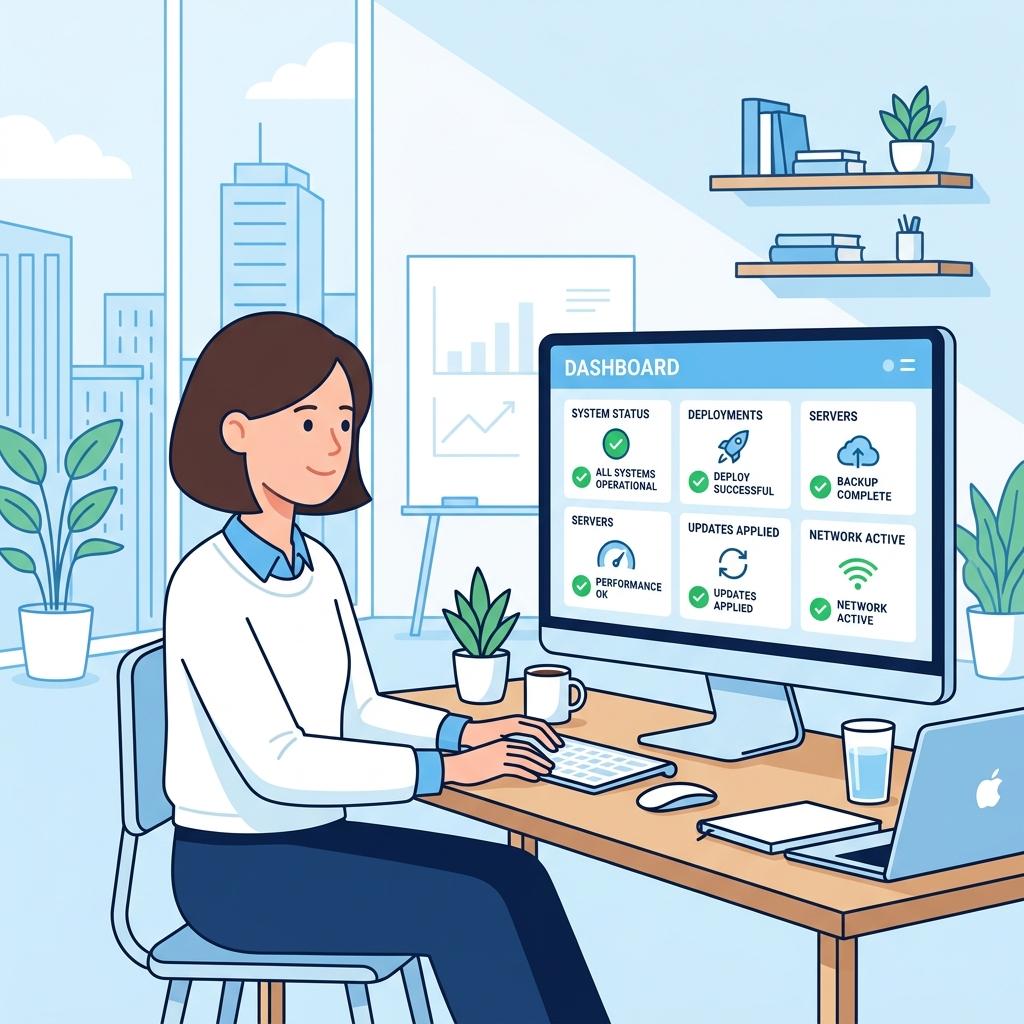
Alert Fatigue: How to Stop the Noise and Start Solving Incidents
When everything is an emergency, nothing is. Learn how to tune your monitors for maximum impact and minimum stress.
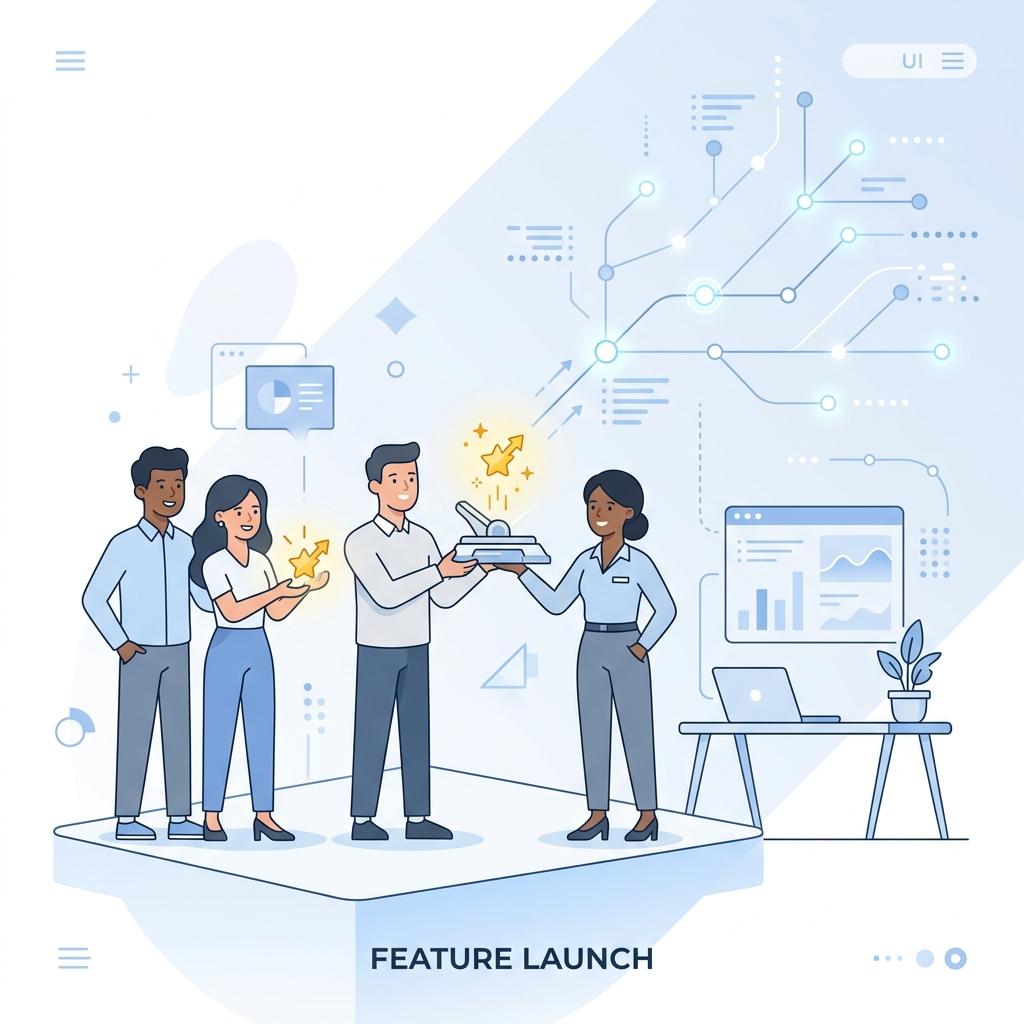
Dark Launching: Testing Persistence and Load Before the Big Reveal
Don't pray for your server to survive. Launch your code 'in the dark' and know exactly how it performs before your users see it.
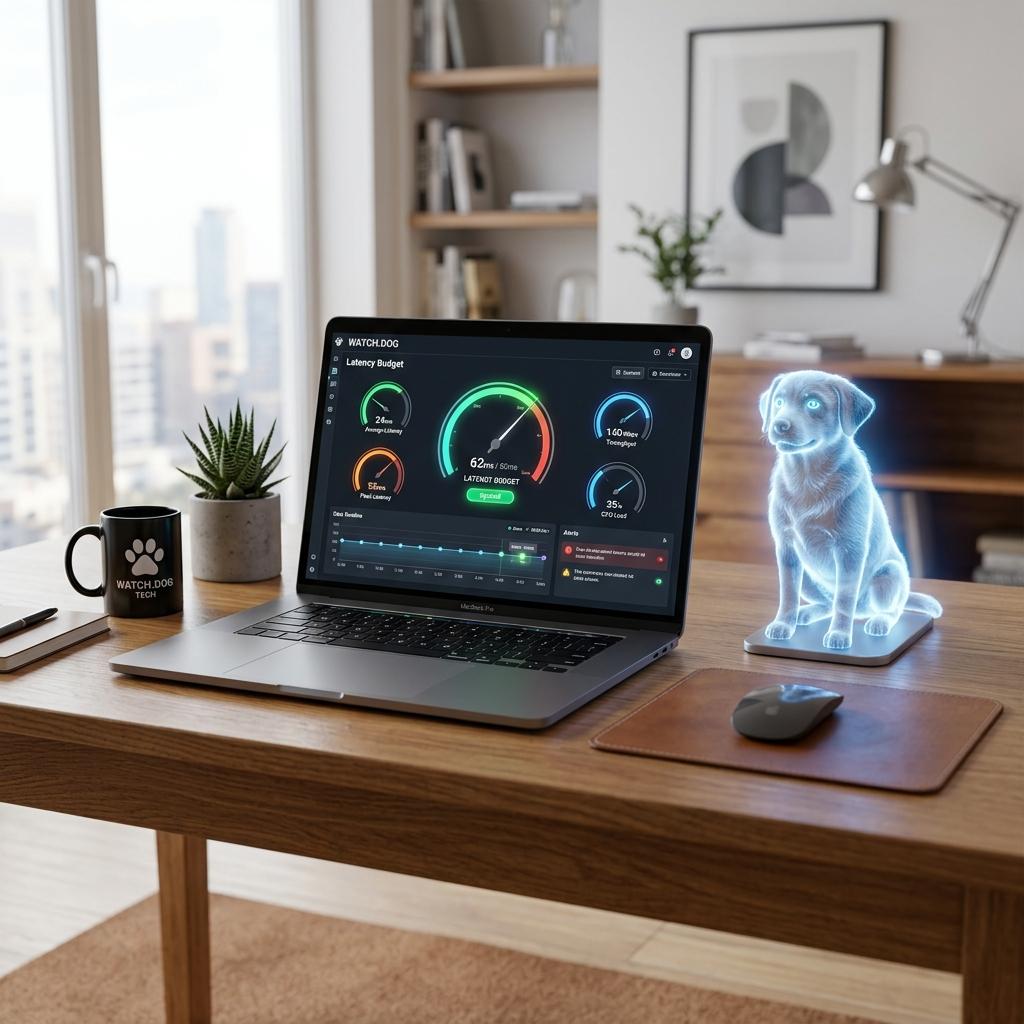
Latency Budgets: Defining the Speed of your Reputation
Speed is a feature, and time is a budget. Learn how to allocate your milliseconds wisely before your users get frustrated.
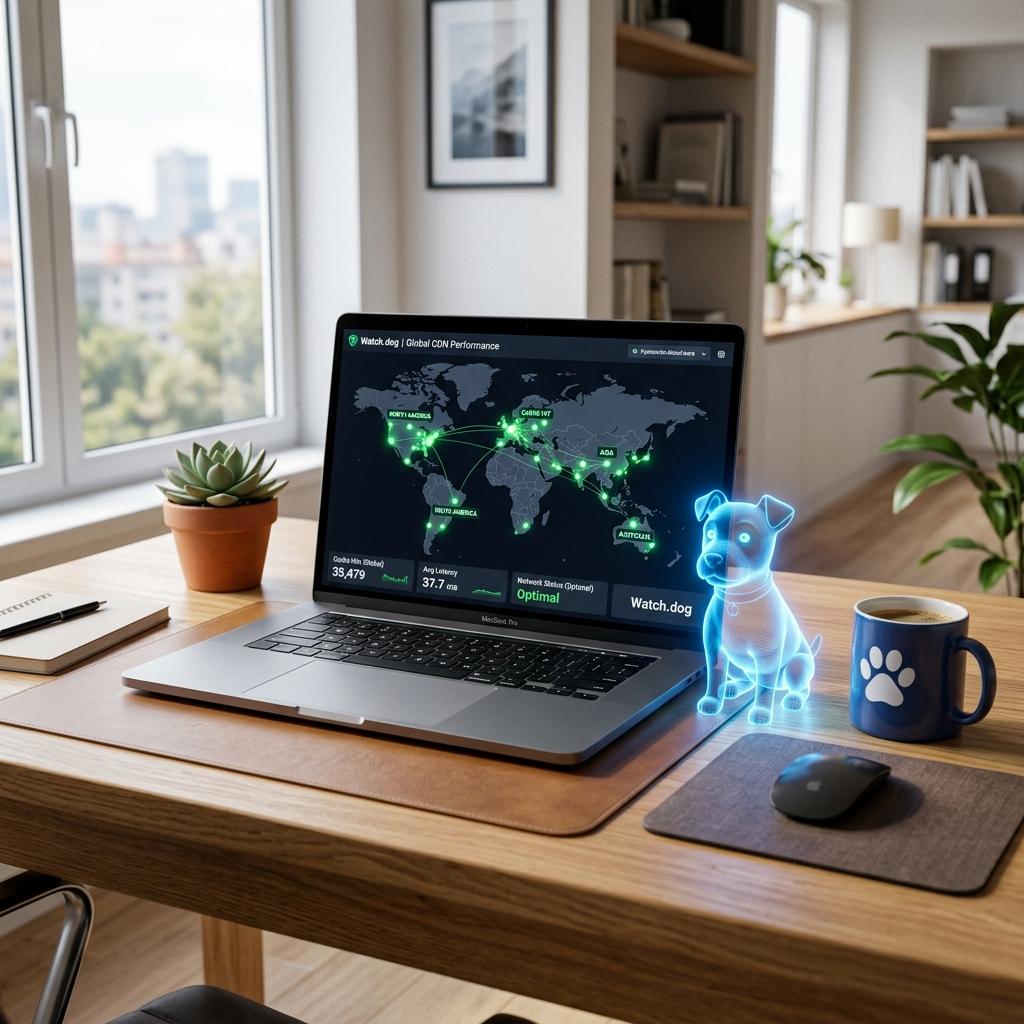
Edge Cache & CDN Uptime: Optimizing Performance at the Network Fringe
A server is fast, but geography is slow. Learn how to monitor your Edge strategy to ensure 99% cache hit rates globally.
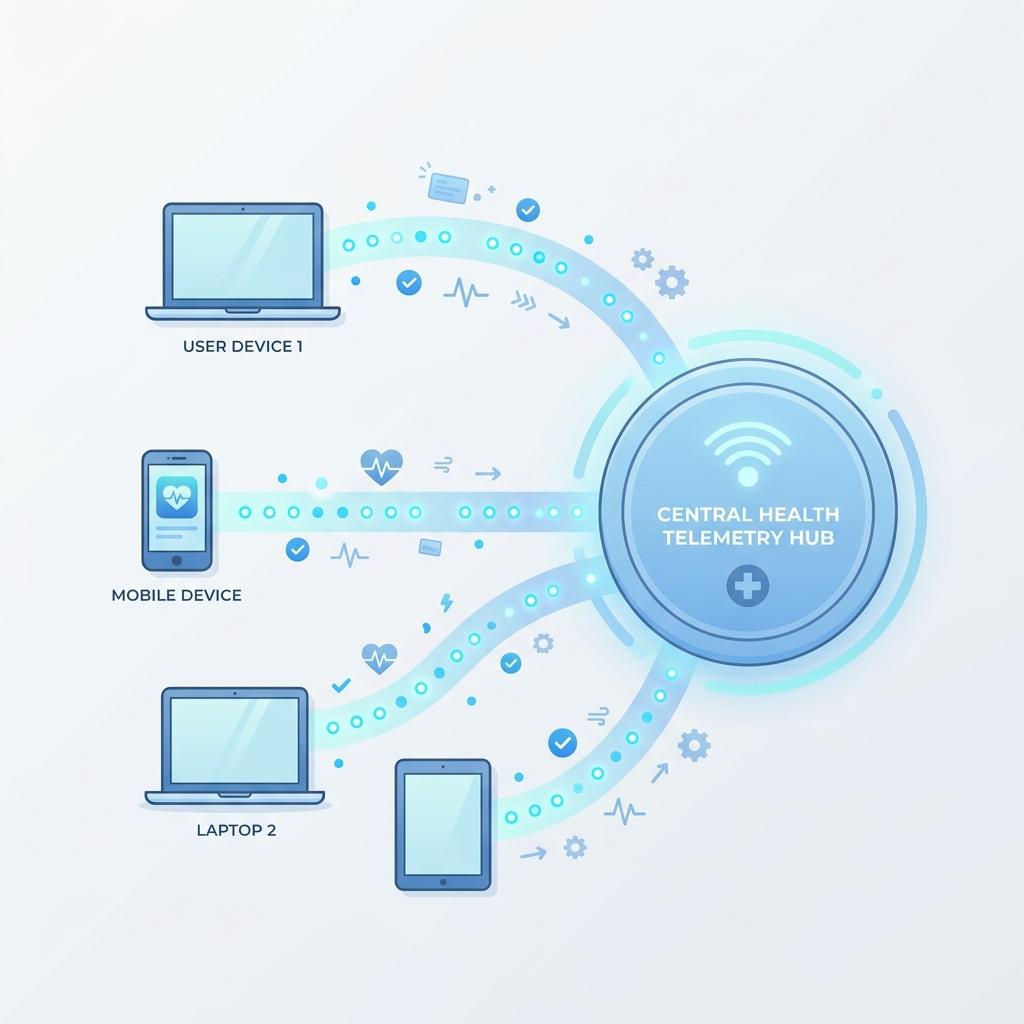
Client-Side Telemetry: The Missing Piece of your Uptime Strategy
Your server says 200 OK, but your user sees a blank white screen. Learn how to bridge the visibility gap.
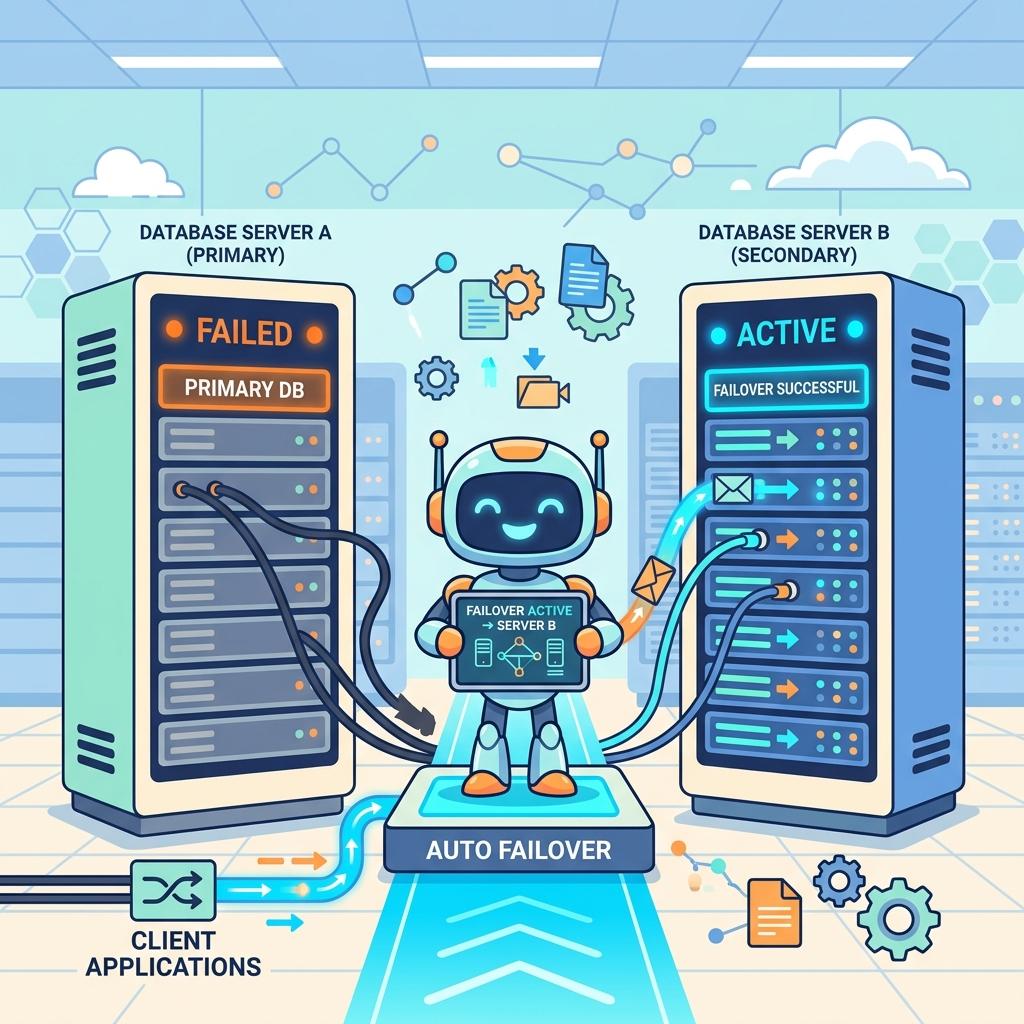
Database Failover Runbooks: Keeping Operations Smooth During Downtime
A failover is a high-risk operation. Learn how to use runbooks and monitoring to make it a routine, zero-downtime event.
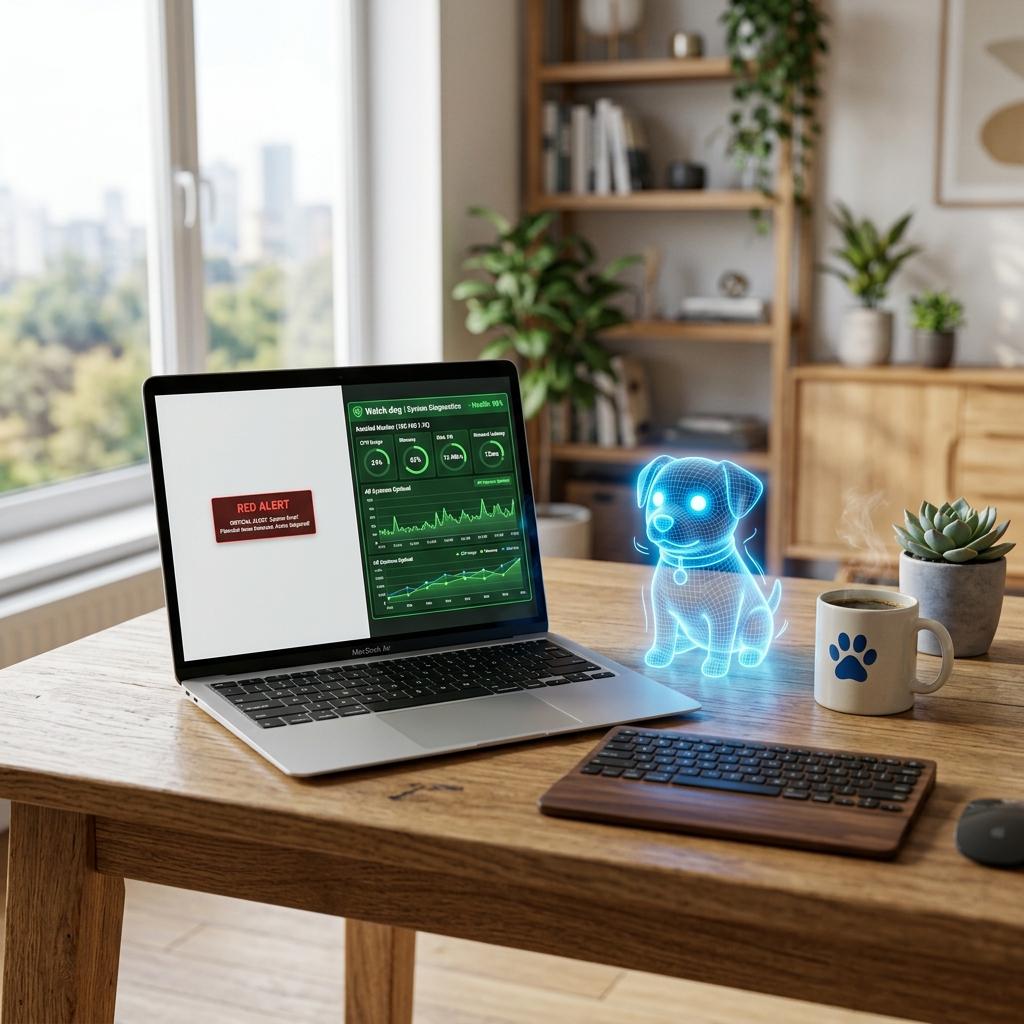
UptimeRobot vs Watch.dog: Why Contextual Alerting Wins
A ping is helpful. A diagnostic is essential. Learn why Watch.dog provides the 'Why' behind every downtime alert.
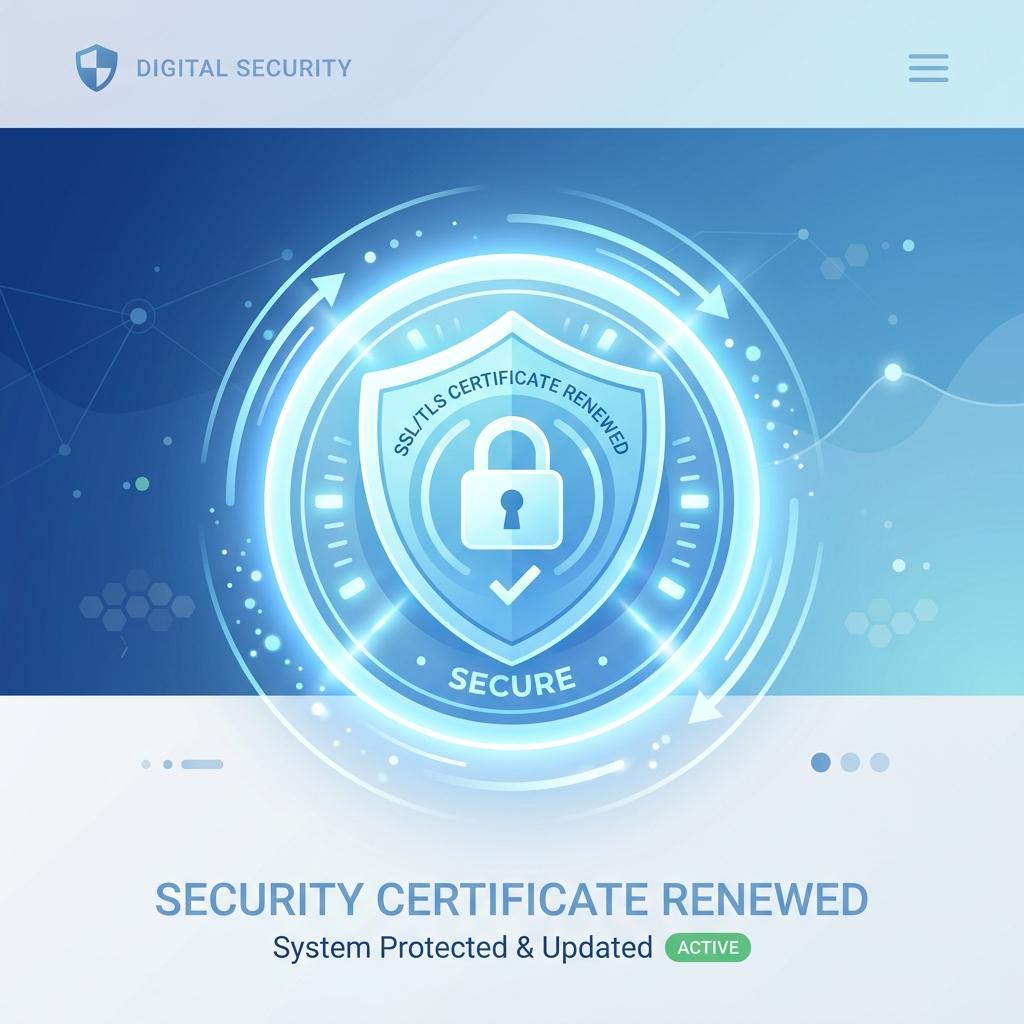
Zero-Downtime Certificate Rotation: Managing TLS Health at Scale
A forgotten certificate renewal is the most common cause of avoidable downtime. Learn how to automate your rotation checks.
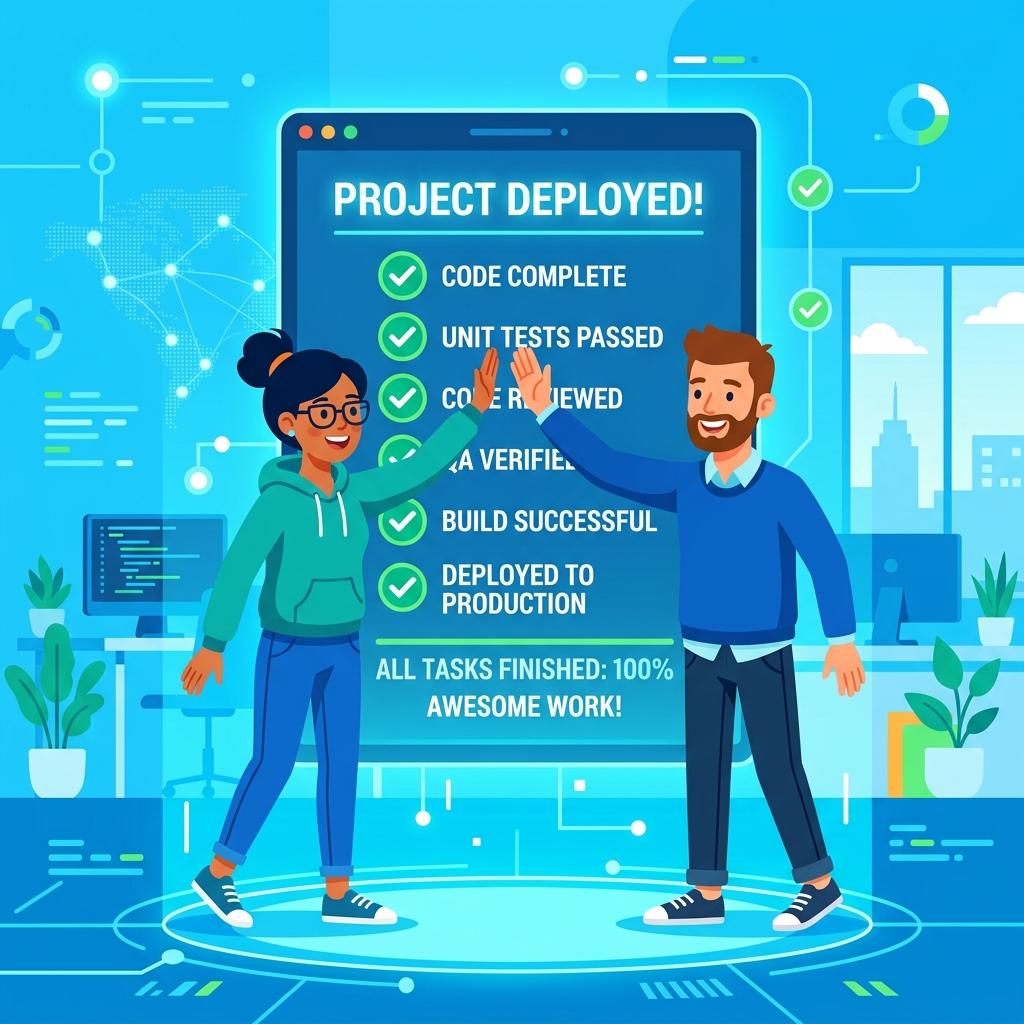
The Ultimate API Uptime Checklist: Building for 99.999% Reliability
Building an API is easy. Keeping it up for millions of requests is hard. Use this checklist to baseline your reliability.
Feature Flag Uptime: Managing Risks in the Toggle-Driven World
Feature flags are the fastest way to ship, but they are also the fastest way to break production. Learn how to toggle safely.
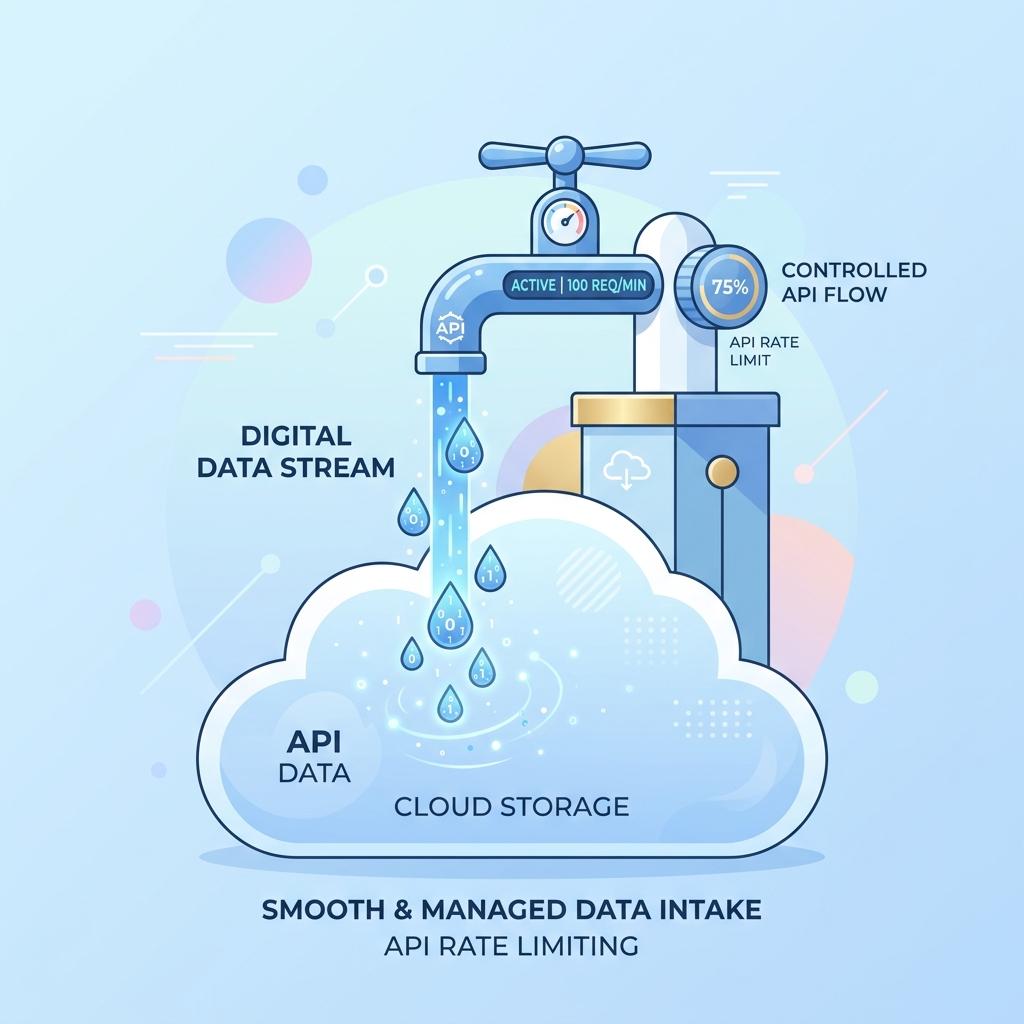
API Rate Limiting: Preventing Exhaustion Attacks and Traffic Spikes
A popular API is a target. Learn how to implement throttling and rate limits to ensure your service stays up for everyone.
DNS Uptime Hardening: Protecting the Front Door of your Traffic
If your users can't resolve your domain, it doesn't matter how fast your servers are. Learn how to secure your DNS uptime.
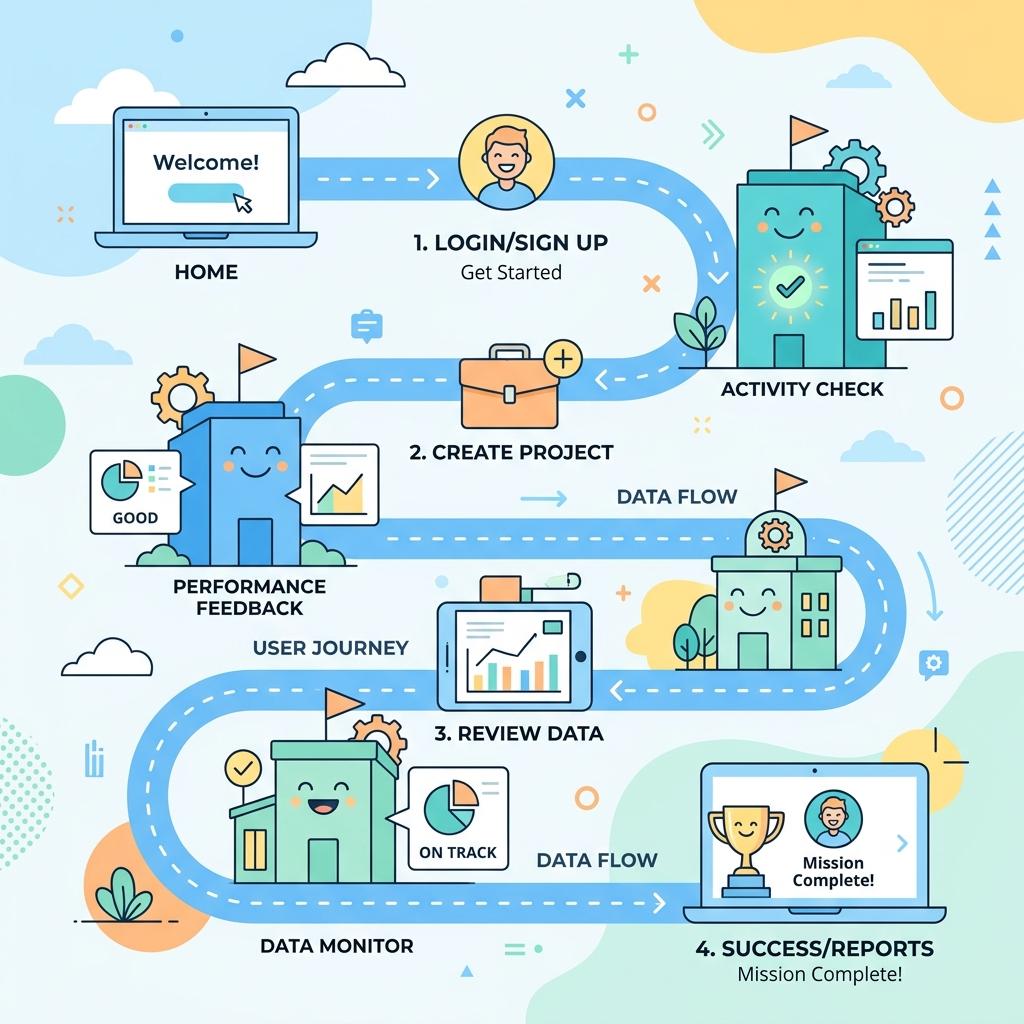
Customer Journey Monitoring: Verifying the Critical Path
A green /health endpoint doesn't mean your users can buy. Learn how to monitor the flow that actually generates revenue.
Database Uptime Alarms: Monitoring the Heart of your Application
A server is replaceable. A database is not. Learn how to build a perimeter of protection around your most valuable asset.
Get reliability tactics in your inbox.
Subscribe from your Watch Dog dashboard to receive digests and exclusive templates.