Foundations
SLA vs SLO: Understanding the Difference in System Reliability
Examine the critical differences between Service Level Agreements (SLA) and Service Level Objectives (SLO). Learn how to manage customer expectations and internal engineering goals.
By Watch Dog TeamPublished March 20, 202610 min read
The Legal vs The Technical
Symptom Log
legal_sla_contract.md
Section 4.1: If Availability drops below 99.9%,
Company will credit Customer 10% of monthly fees.
# Status: Hard to track without real-time data.
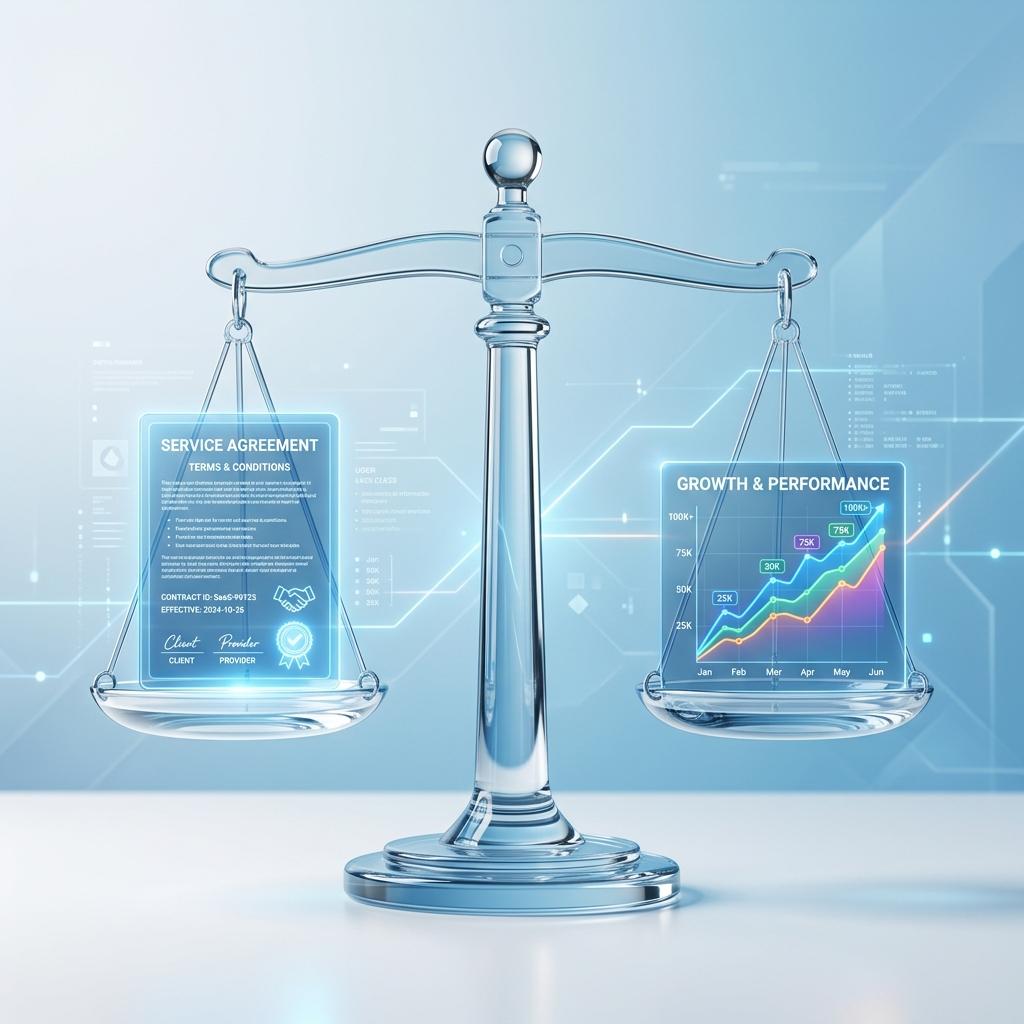
An SLA is a legal agreement with your customers (what happens if you fail). An SLO is an internal goal for your engineers (to ensure you don't fail).
Many teams manage both in spreadsheets, which creates a huge visibility gap when an actual incident occurs.
Fix Verification
watch_dog_compliance.log
[INFO] Checking internal SLO (99.95%)...
[SUCCESS] Current: 99.97%. Buffer maintained.
[INFO] SLA (99.9%) risk: NEGLIGIBLE.
SLA vs SLO Architecture
| Entity | SLA (Legal) | SLO (Engineering) |
|---|---|---|
| Target | 99.9% | 99.95% (Internal Buffer) |
| Consequence | Financial Refund | Incident Pager |
| Visibility | Customer | Engineering Team |
Managing the Gap
Symptom Log
sla_violation_risk.log
[CRITICAL] SLO dropped to 99.91%.
[WARNING] Approaching legal SLA limit (99.9%).
[ACTION] Engaging Level 3 Support.
Your internal SLO should always be stricter than your external SLA. This 'buffer' allows you to detect issues before they become a legal liability.
Watch.dog allows you to set independent thresholds for internal SLOs and external SLA reporting.