Status Page Templates Customers Actually Read
Craft proactive maintenance and incident updates with reusable templates, KPIs, and SEO-friendly structures.
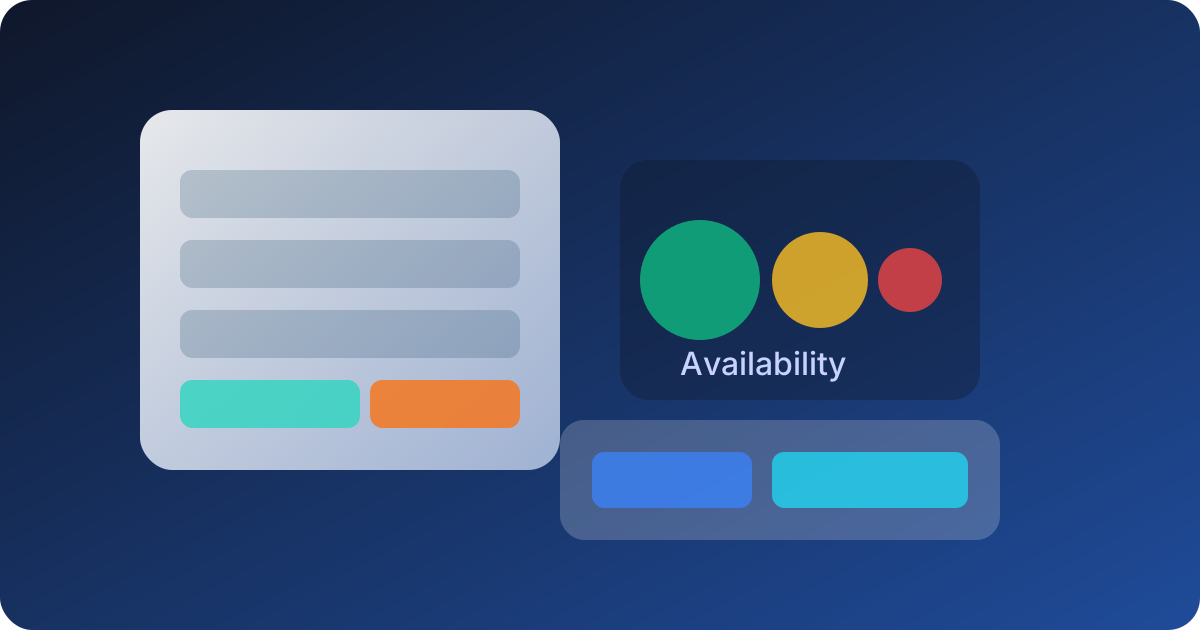
Start with the promise
Above the fold, repeat your uptime promise and current platform state. Search engines treat that intro as the meta description if you don't set one, so keep it crisp and keyword rich.
Pair the promise with an at-a-glance grid that pulls availability, latency, and planned work from Watch Dog monitors.
Use human-friendly templates
Every maintenance or incident update should follow a recognizable structure: summary, impact, timeline, and next steps. Repeatable headers boost readability and ranking.
Pre-populate these templates with tokens (service name, time detected, mitigation owner) so engineers can publish updates without rewriting the ABCs each time.
Template checklist
- Short action-oriented headline
- Impact statement tied to customer outcomes
- Time stamps for detection, mitigation, resolution
- Call to action for subscribing to updates
Optimize for discovery
Search intent for 'your brand + status' skyrockets during incidents. Add schema.org StatusPage markup, descriptive alt text, and an evergreen FAQ to prevent support ticket spikes.
Localize the most common questions (billing delays, webhook retries, data freshness) so customers can self-serve in seconds.